
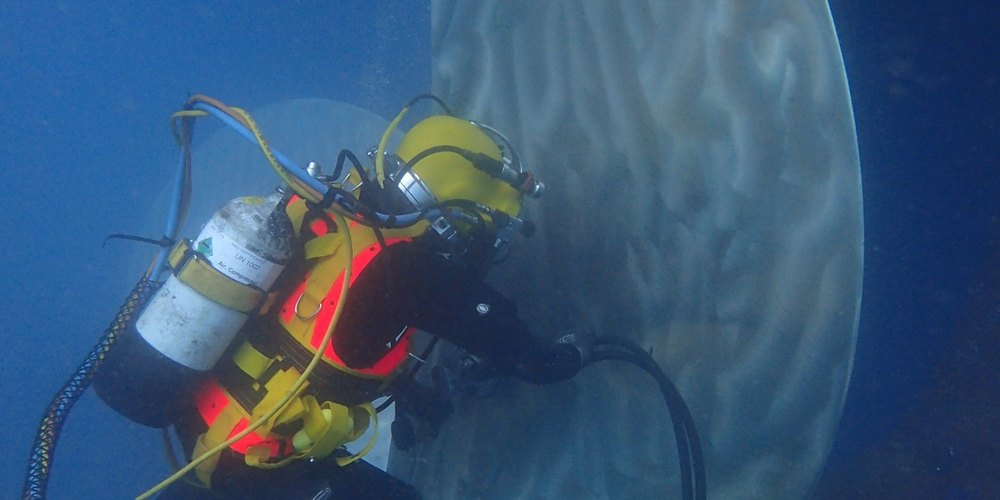
The hull is the backbone of any ship, and its integrity is critical for a vessel’s safety and performance. Over time, hulls are subject to wear and tear, corrosion, and accidental damage, often requiring underwater repairs to restore their functionality. These repairs, while essential, come with their own set of challenges. In this blog, we explore the common obstacles faced during underwater hull repairs and the strategies used to overcome them.
1. Corrosion and Structural Damage
Hull corrosion, particularly in saltwater environments, is a persistent issue. Left unchecked, it can compromise the structural integrity of the ship and lead to extensive damage.
Solutions:
- Perform regular inspections to identify early signs of corrosion.
- Use specialized coatings and sacrificial anodes to mitigate corrosion.
- Employ underwater welding techniques to repair structural damage efficiently.
2. Marine Growth and Fouling
The hull often accumulates marine growth, such as barnacles and algae, which can obscure damage and interfere with repairs. This fouling also impacts the vessel’s performance by increasing drag.
Solutions:
- Conduct thorough cleaning using underwater brushes or high-pressure water jets before repairs.
- Apply antifouling coatings post-repair to minimize future growth.
- Opt for eco-friendly cleaning methods to protect marine ecosystems.
3. Difficult Access Areas
Certain parts of the hull, such as the keel or areas around the propeller, can be challenging to access, making repairs more complex.
Solutions:
- Use remotely operated vehicles (ROVs) or robotic tools for precise work in confined spaces.
- Train divers to navigate and repair in hard-to-reach areas.
- Develop customized tools for specific repair requirements.
4. Adverse Environmental Conditions
Underwater repairs are often conducted in unpredictable environments, with issues such as strong currents, low visibility, and extreme temperatures complicating the process.
Solutions:
- Schedule repairs during calm weather and slack tide periods.
- Equip divers with advanced visibility-enhancing tools, such as underwater lighting and imaging systems.
- Provide heated diving suits and insulated equipment for cold water conditions.
5. Safety Risks for Divers
Underwater hull repairs expose divers to various risks, including decompression sickness, entanglement, and physical strain.
Solutions:
- Implement strict safety protocols, including real-time communication and surface monitoring.
- Limit dive times and provide adequate rest periods.
- Use diving helmets with integrated cameras for better visibility and coordination.
6. Time Constraints
Vessels often need to resume operations quickly, putting pressure on repair teams to complete their work within tight deadlines.
Solutions:
- Use prefabricated repair materials to reduce on-site preparation time.
- Employ multi-skilled teams to handle various repair aspects simultaneously.
- Leverage advanced tools, such as underwater welding machines, for faster repairs.
7. Cost Management
Underwater hull repairs can be costly due to specialized equipment, skilled labor, and logistical challenges.
Solutions:
- Plan preventive maintenance to minimize extensive repairs.
- Opt for in-water surveys and minor repairs to reduce dry docking costs.
- Use efficient repair methods, such as wet welding, to lower overall expenses.
Conclusion
Underwater hull repairs are vital for maintaining a ship’s structural integrity and operational efficiency. While challenges such as corrosion, fouling, and environmental factors can complicate the process, advancements in technology and strategic planning have made these repairs more manageable. By addressing these obstacles proactively, the maritime industry can ensure safe, cost-effective, and timely repairs, keeping vessels seaworthy and reducing operational downtime.